Have you noticed how online gaming moved from sitting at a desk to playing anywhere from a couch, a bus stop, or even a lunch break? That shift did not happen overnight. It took years of faster internet, better devices, and changing habits to turn gaming into something people can fit into daily life.
In the early days, online play was mostly tied to desktop computers. Players needed a stable connection, a keyboard, and time set aside for a full session. Today, mobile devices have changed those habits in a big way, making online games far easier to access and much more flexible for all kinds of players.
The path from desktop to mobile play shows how technology and player behavior kept shaping each other. A search for website hoki123 might once have meant finding a desktop-first setup, but now the same idea applies to devices that fit in a pocket.
Desktop Gaming And Its Early Online Roots
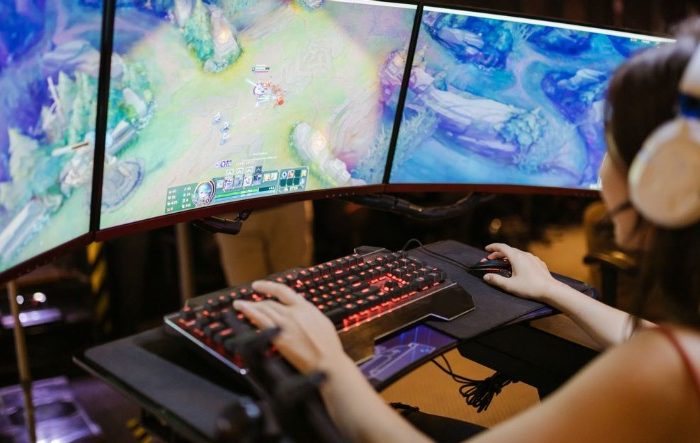
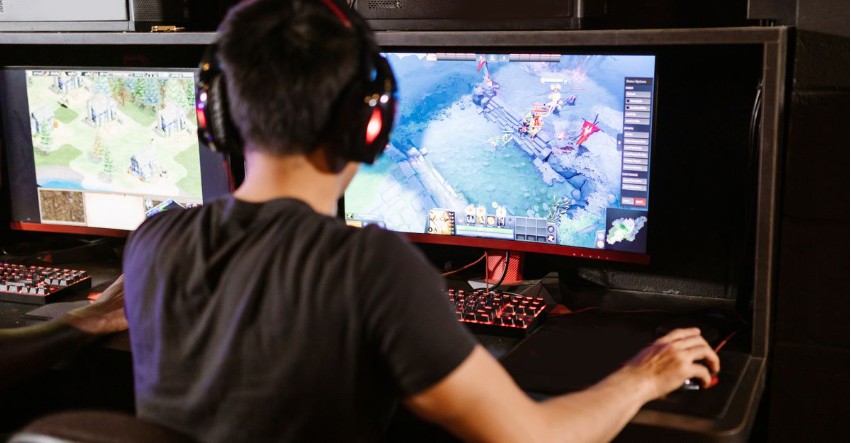
The first stage of online gaming was strongly tied to home computers. Players had to log in from a fixed location, and game sessions often felt long and planned. That setup created a slower pace, but it also built many of the habits that still matter today.
Why Desktops Ruled The Start
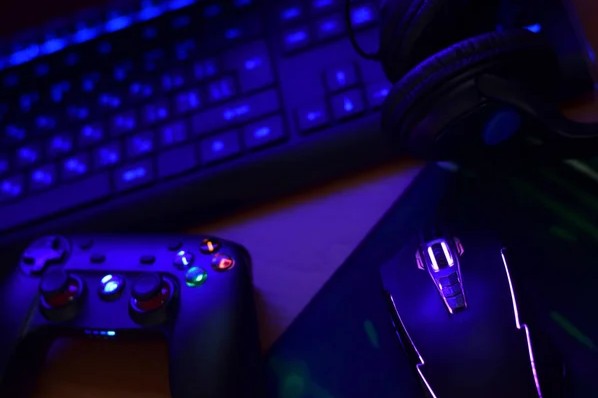
Desktops were ideal because they could handle larger files, stronger graphics, and wired internet connections. Early online games often needed that extra stability. Players also used keyboards and mice, which gave them better control in many genres.
At that time, online play was usually part of an evening routine. People would sit down after work or school and stay connected for an hour or more. The experience felt social, but also fairly fixed in time and place.
Internet Speed Changed The Experience
As internet service improved, online games became smoother and easier to access. Faster connections meant less waiting, fewer interruptions, and more players joining at once. That made online play feel less technical and more natural.
From Waiting To Instant Access
In the early era, slow downloads and unstable connections could ruin a session. Better infrastructure reduced those problems and opened the door for more complex multiplayer features. It also made gaming less dependent on a powerful desktop setup alone.
That change mattered because players started expecting quicker access. They no longer wanted to spend so much time setting up a game before playing it. The less friction there was, the more likely people were to log in often.
Mobile Devices Changed When And How People Play
Mobile gaming did more than add a new screen size. It changed the rhythm of play itself. People could now play in short bursts, on the move, and without sitting at a computer.
Gaming Became Part Of Daily Gaps
Phones and tablets made it easier to play during small pockets of free time. A commute, a wait at the doctor, or a few quiet minutes at home could all become playtime. That flexibility pulled in people who never wanted a long desktop session.
Touch controls also changed game design. Many mobile games use simple taps, swipes, and quick menus, which makes them easier to pick up fast. That accessibility helped online gaming reach a broader audience, including people who had never seen themselves as regular players.
Cross-Device Play Made Gaming More Flexible
As devices improved, the line between desktop and mobile started to blur. Players wanted to switch between screens without losing progress or social features. That expectation pushed game developers to think about account access, saved data, and shared play sessions.
One Account Across Different Screens
Today, many players expect a game to work across multiple devices. They may start on a desktop at home, then continue on a phone later in the day. That kind of flexibility fits modern routines much better than a single fixed setup.
Even search behavior reflects that shift. Someone looking for hoki123 might do it from a mobile browser during a short break, proving how routine gaming access has become across device types.
What The Shift Means For Players
The move from desktop to mobile changed more than convenience. It changed who gets to play, how often they play, and how long they stay connected. Gaming is now easier to fit around work, school, and family life.
More Access, More Variety
Desktop gaming still matters for long sessions, detailed controls, and heavier graphics. Mobile gaming, on the other hand, gives players speed and portability. Together, they create a fuller online experience than either one could on its own.
The evolution also shows that online gaming keeps adjusting to daily habits. As devices improve and internet access becomes faster, players keep asking for more flexibility. The result is a gaming culture that feels less tied to a single machine and more tied to when people have time to play.