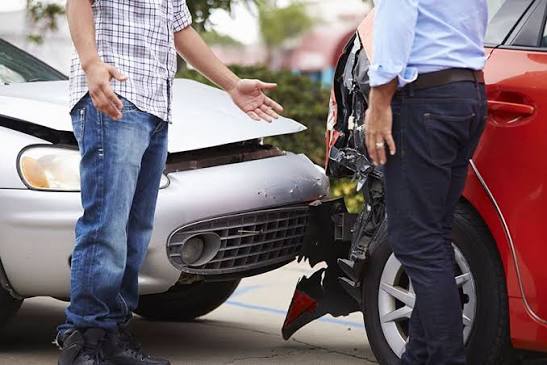
Orlando is known for its bustling streets, busy expressways, and year-round tourist activity. These factors make car accidents a significant problem in the region. Staying vigilant behind the wheel can help reduce both the frequency and severity of collisions. Consulting with Orlando personal injury lawyers with top reviews can also be a wise step if you find yourself involved in an accident and need guidance on your rights and options. Understanding the leading causes of car accidents can empower drivers to take preventive action. Distractions, speeding, impaired driving, unfavorable weather, and problematic road design each play major roles in the city’s accident statistics. Addressing these factors is critical for anyone aiming to keep Orlando’s roads safer for everyone.
Distracted Driving
Distracted driving has become a top contributor to auto collisions throughout Orlando. Everyday activities such as texting, handling a GPS, eating, or interacting with passengers divert a driver’s attention away from the road. The Florida Department of Highway Safety and Motor Vehicles emphasizes that cell phone use remains a significant factor and that general driver inattention accounts for a substantial portion of collisions statewide. Staying alert and putting away mobile devices is crucial for every trip, no matter how short or familiar the route may seem.
In addition, Florida’s texting-while-driving law allows police to pull over drivers solely for using handheld devices, reinforcing the seriousness of the problem and aiming to deter risky behavior at the source. Even with strict rules in place, enforcement and public education remain critical. Many accidents go unreported or uncorrected because the subtle nature of distractions, such as daydreaming or getting lost in thought, makes them hard to detect. Community campaigns and local schools now emphasize hands-free driving and defensive driving, encouraging both new and experienced drivers to consciously focus on the road and minimize potential distractions before any journey.
Speeding and Aggressive Driving
Speeding consistently plays a role in over five thousand Orange County crashes each year. Orlando’s major roadways, from the I-4 to the John Young Parkway, often encourage hurried or impatient driving. Aggressive actions such as rapid lane changes, tailgating, and disregarding stop signs increase the likelihood of crashes. Not only does speeding reduce the time available to react to sudden hazards, but accidents at high speeds are much more likely to result in severe injuries or fatalities. Data from local law enforcement have shown that targeted speed enforcement zones can have a noticeable impact on driver behavior and safety outcomes. A growing concern is “street racing,” which sometimes occurs late at night or when traffic volumes are low. This behavior, combined with aggressive acceleration and stunts, has led to highly publicized accidents in Orlando. Local government and law enforcement have responded by increasing patrols in high-risk corridors and implementing traffic cameras at key intersections. Public awareness efforts outline the lasting legal and financial consequences of reckless driving, aiming to discourage both residents and tourists from engaging in dangerous behavior.
Impaired Driving
Impaired driving remains a considerable threat on Orlando’s roads. Approximately 3,200 crashes are attributed to drivers under the influence of drugs or alcohol annually in Orange County. The local concentration of bars, nightclubs, attractions, and hotels can tempt both residents and tourists to drive after drinking, especially on weekends or during major events. Initiatives from organizations such as MADD (Mothers Against Drunk Driving) help raise awareness and promote alternative transportation options for those who may otherwise risk driving under the influence. Increasing awareness and providing strong deterrents are vital for reversing this persistent trend. Repeated efforts from both private ride-sharing companies and public transit organizations in Orlando offer late-night and event-specific shuttles, making it easier for partygoers and tourists to get home safely without resorting to driving impaired. Legal penalties for DUI in Florida, such as large fines, license suspension, or jail time, act as a deterrent, but community vigilance and education remain crucial. Supporting responsible decision-making can go a long way toward reducing the human and economic toll of substance-related crashes.
Weather Conditions
Orlando’s climate means sudden rain showers are common, and these downpours can turn safe roads into hazardous zones in an instant. Heavy rainfall can reduce visibility, increase braking distances, and cause hydroplaning when water builds up on road surfaces. Motorists may not always adjust their speed or following distance during storms, leading to a sharp uptick in rear-end collisions and spin-outs. According to experts at The Weather Channel, wet weather is among the top non-human factors responsible for accidents nationwide. Florida also faces occasional tropical storms and hurricanes, making preparedness essential for all drivers. Flash flooding and windblown debris create unique, rapidly changing hazards that demand slower speeds and more cautious driving. Local newscasts and weather alert systems regularly advise motorists to delay non-essential trips during severe weather, further emphasizing the risks posed by Orlando’s unpredictable climate. Having windshield wipers, good tire tread, and proper headlights is extremely important for safely navigating through Orlando’s seasonal storms. Long-distance relocations often introduce these exact risks; for instance, instead of driving thousands of miles across the country and braving unfamiliar, storm-prone highways, utilizing a reputable service for San Francisco Car Shipping allows you to transport your vehicle safely and avoid severe weather altogether.
Road Design and Maintenance
Roadway design and infrastructure condition directly influence accident rates. Poorly designed intersections, sudden lane merges, faded signage, and inadequate street lighting can all confuse drivers or limit their reaction time. For instance, a complex highway interchange in Orlando saw nearly 50 accidents over the past two years, prompting authorities to invest in much-needed safety upgrades. The Florida Department of Transportation regularly reviews accident hotspots and prioritizes improvements to make travel safer for everyone. In response to traffic safety concerns, the city of Orlando has ramped up efforts to improve road markings, update traffic signal timings, and enhance pedestrian crosswalk visibility, particularly near schools and busy commercial districts. Community reporting platforms enable residents to notify officials about potholes, hazardous signage, and other maintenance needs, helping expedite repairs and improve driving conditions. Proactive maintenance and modernization projects, such as adding rumble strips or widening lanes at congested intersections, are critical in keeping up with the demands of Orlando’s growing population and tourism industry.
Conclusion
Recognizing the most common causes of car accidents in Orlando is key to promoting safe driving. By avoiding distractions, respecting speed limits, avoiding impaired driving, adjusting to weather conditions, and staying alert to problematic road designs, drivers can significantly reduce their risk of a collision. Addressing these challenges is crucial to creating safer, more navigable streets for residents and visitors alike. Ultimately, the safety of Orlando’s roadways depends on a shared commitment between authorities, community organizations, individual drivers, and city planners. Collaborative public education efforts, ongoing infrastructure investments, and a strong legal framework all contribute to reducing accident rates and associated costs to public health and infrastructure. Staying aware of ongoing risks and acting proactively to curb them will ensure that residents and visitors can enjoy all that Orlando has to offer with greater peace of mind and road security.